Underlying structure of the body in historic and contemporary art
When is about the structure of the human body, among other great historic artist the one who comes first to everyone’s mind is Leonardo Da Vinci (1452-1519 Renaissance artist, scientist, architect) One of his most famous drawing is the Vitruvian Man
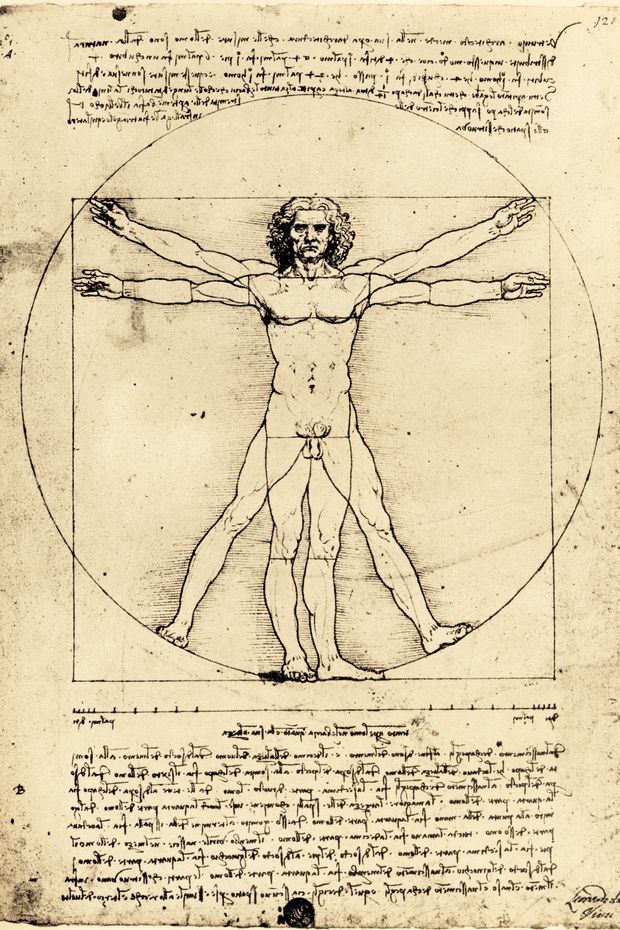
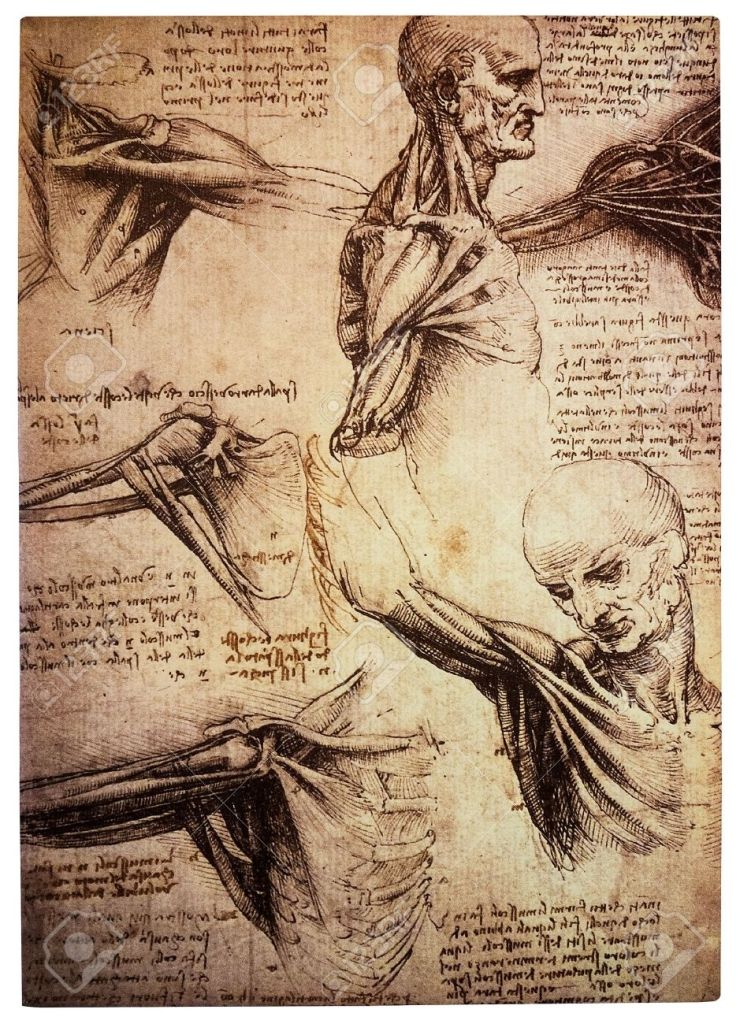
Leonardo used pen, ink and metalpoint on paper. This drawing is a great study how human body corresponds with a circle and a square based on the works of Vitruvius, Roman architect. Leonardo performed dissections to explore the structure of skeleton and musculature of body. In 1510-11 he created several precise drawings representing body parts in transparent layers accompanied by his famous mirror writing.
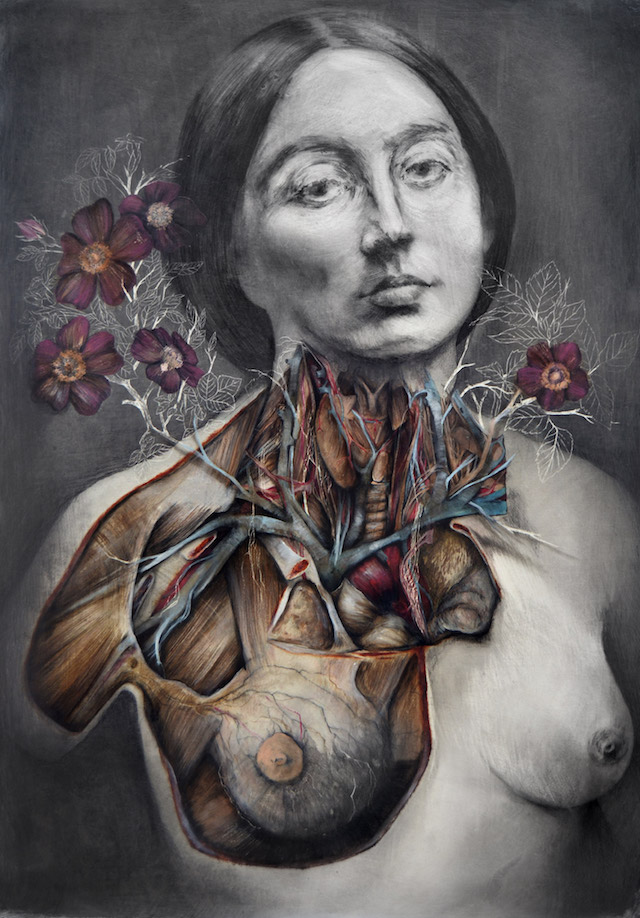
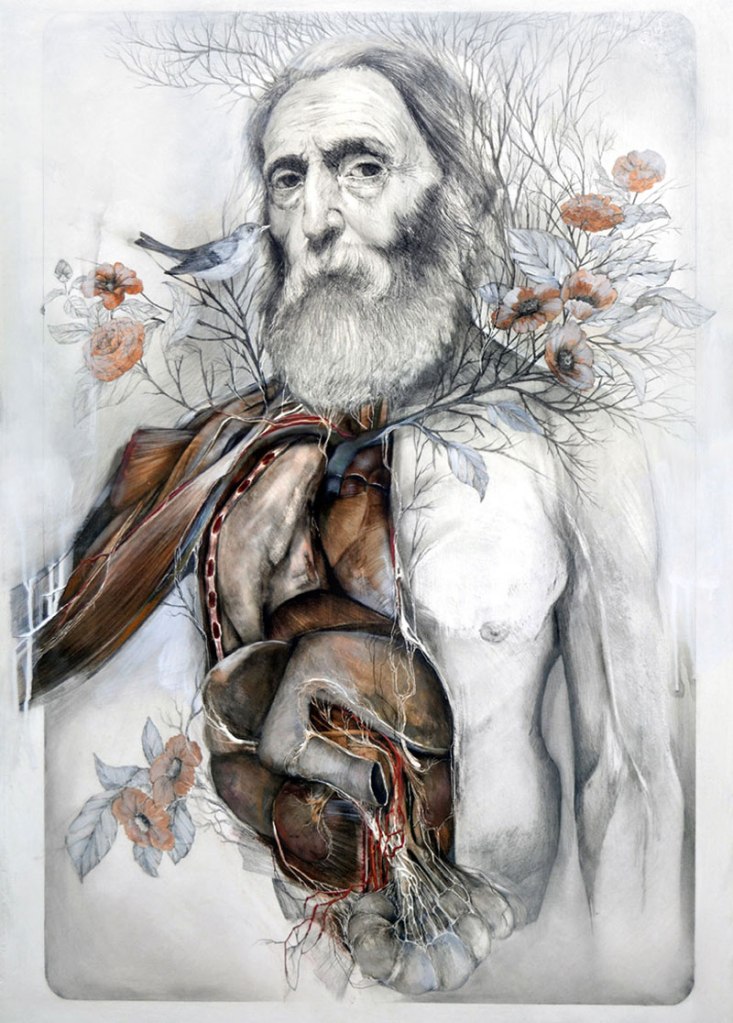
Nunzio Paci is a contemporary artist from also Italy. I am truly fascinated by the astonishing combination of anatomy and nature in his art. His anatomical studies are clearly leading us back to Da Vinci’s drawings. According to the artist “my intention is to explore the infinite possibilities of life in search of a balance between reality and imagination.”
Faces (including self-portraits) in historic and contemporary art
Amadeo Modigliani was an Italian sculptor and painter is known for portraits with elongated faces and figures. Influenced by African sculpture he created stone heads with elongated and simplified forms. Those unmistakable characteristics became typical on his paintings later on.
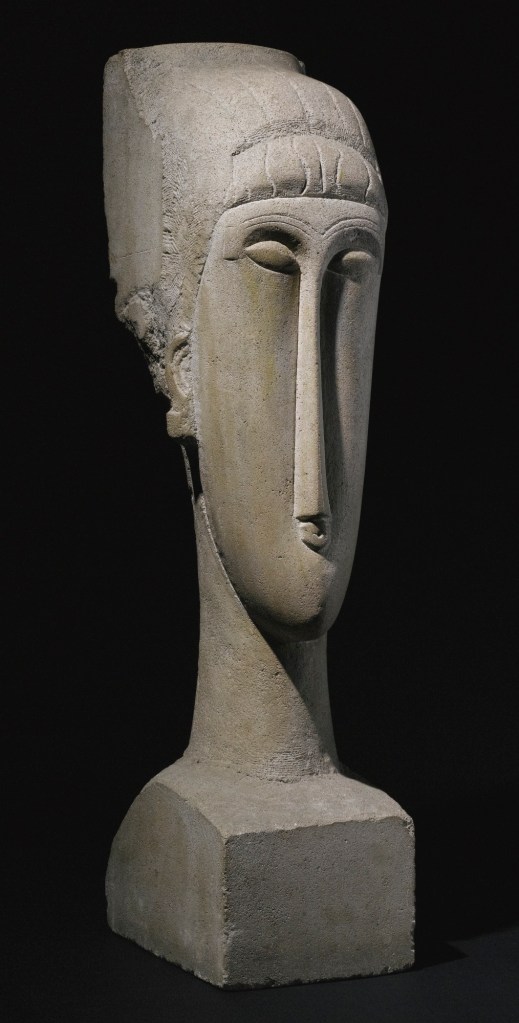
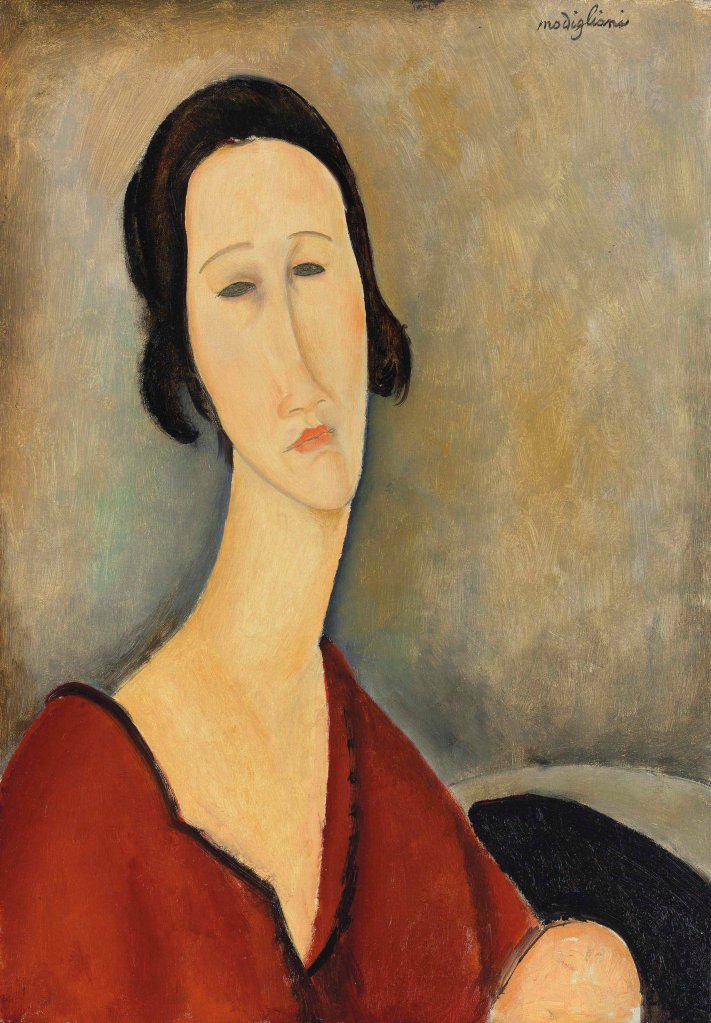
Whenever I am researching contemporary art online it’s always like being a child in a candy shop. There is always something fresh, something different to find. Recently I found William Kentridge beautiful charcoal drawings.
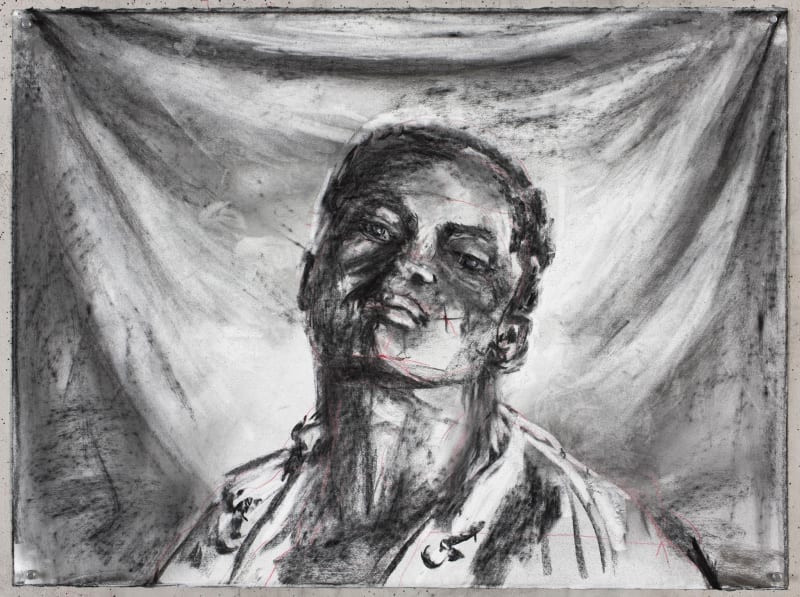
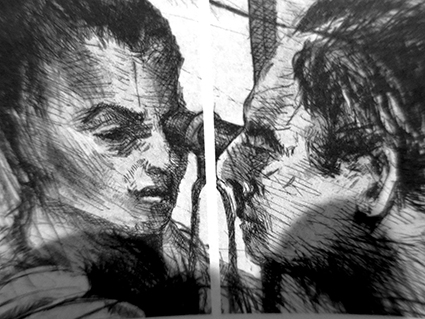
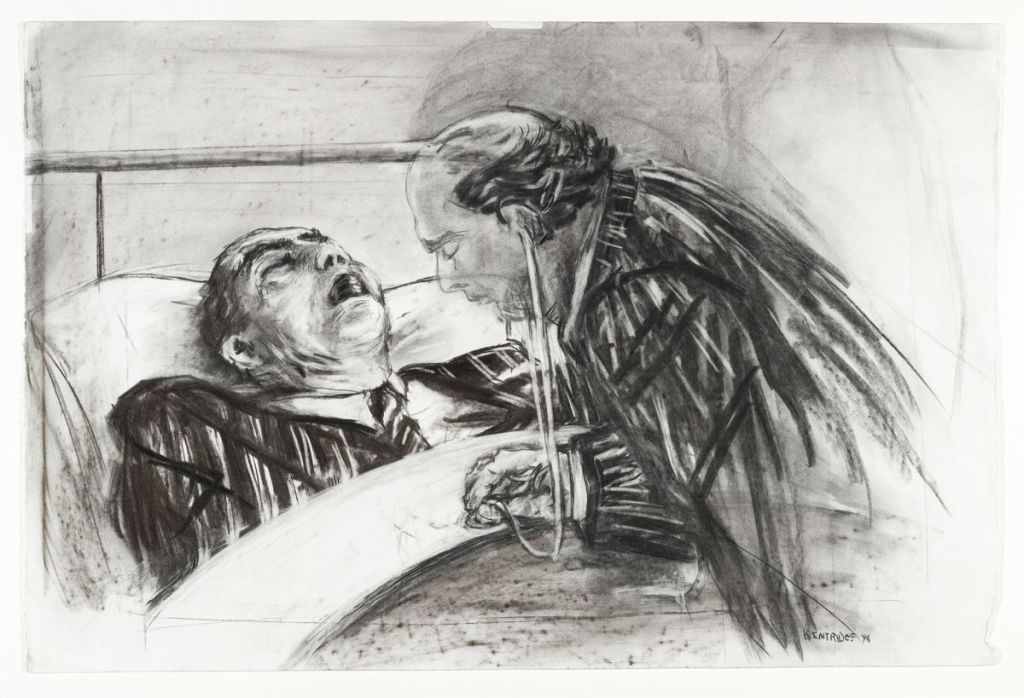
These drawings are very thought-provoking and informative. You can read each and every story behind. Last but not least here is his self-portrait
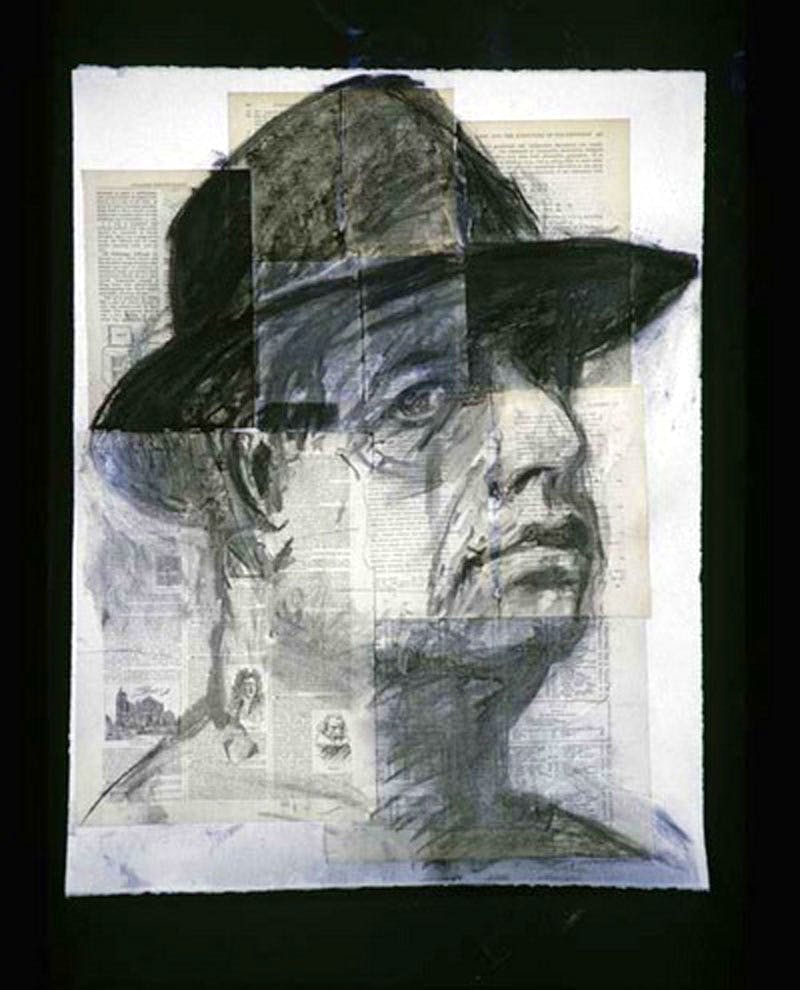
Through his artwork he is often expressing his view about social and political injustice of his homeland (South-Africa) and more broadly about other (European – leading back to his Jewish roots) conflicts from mostly the history of the 20th century.
And finally I would like to compare some of the self portraits of Vincent Van Gogh. Between 1886 and 1889 he painted over 30 self-portraits.
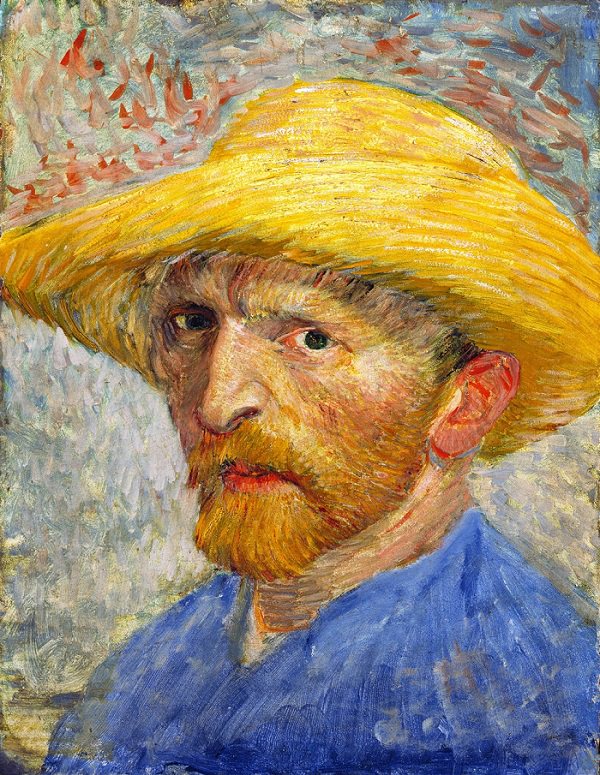
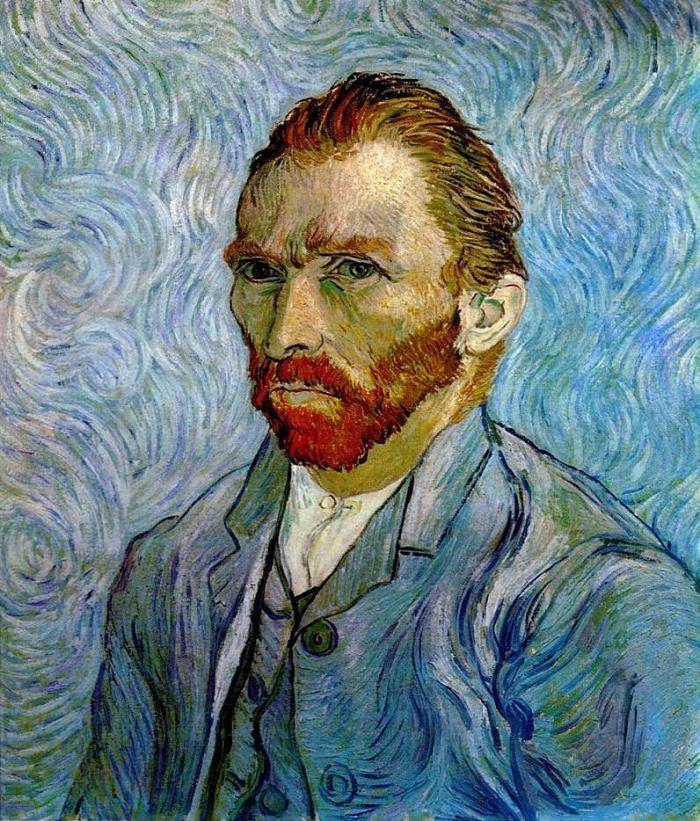
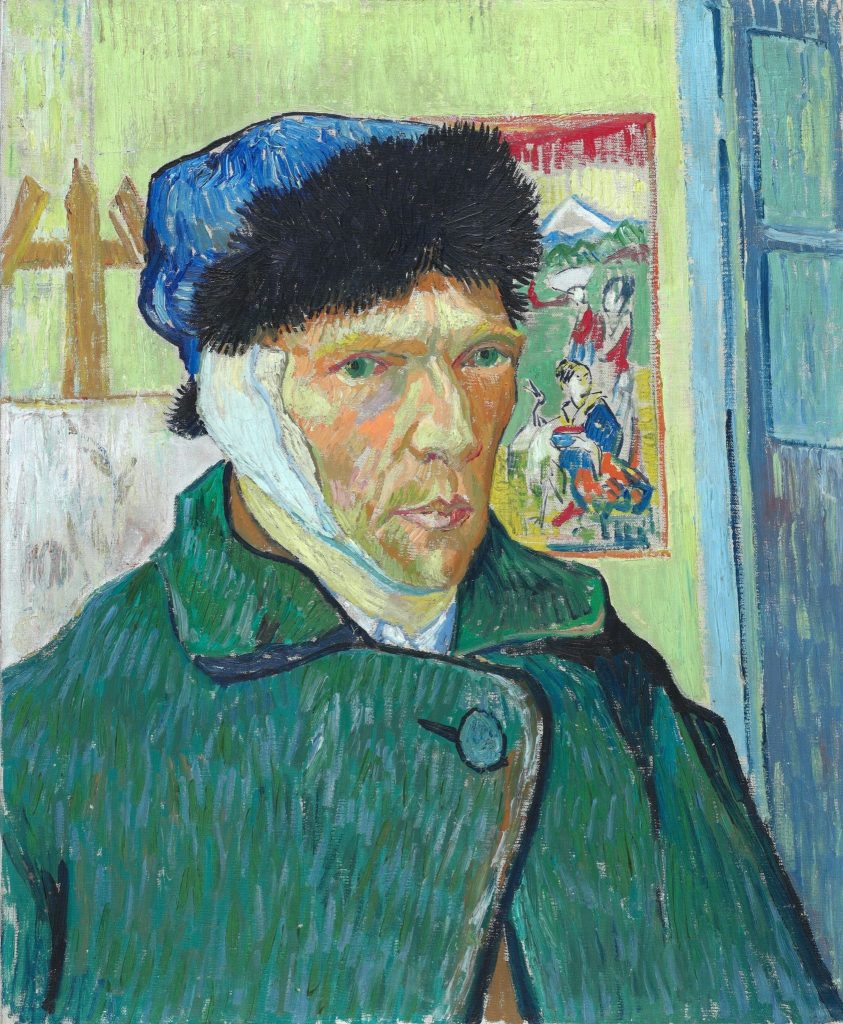
In 1886 he arrived to Paris where he met Gauguin. Apart from the difficulties caused by living together with his brother Theo, he had a really creative year then, producing more than 200 paintings within two years. This first painting was made in summer. Although the colours (his favourite yellow) are vivid he looks relaxed and content.
In 1888 he moved to Arles where he painted mostly flowers and trees and from October he lived with Gauguin in a sort of “artist community”. Unfortunately at that time he showed signs of serious mental illness. He spent some time in hospital, and in January, 1889 he painted the third self portrait above. He looks very lonely, this impression is more emphasized by the happy-coloured and detailed Japanese drawing next to his face.
The last one was created in September, 1889. I believe that was his last self-portrait. At this time he was in hospital again. The colour of his shirt and the background is almost the same, his eyes are cool and restless at the same time but he does not have that wounded look nor the hopeful and happy face like on the previous pictures.

 LaraDraw