Still life genre
Still life definition: A still life (also known by its French title, nature morte) painting is a piece that features an arrangement of inanimate objects as its subject. (https://mymodernmet.com/what-is-still-life-painting-definition/)
Still life genre remarkably emerged from the 16th Century with roots date back to the Ancient Roman art (e.g. “Still life with Peaches and Water Jar” from Italy, Herculaneum). There were a variety of vegetables, fruits, bread or even dead animals were presented and the paintings usually hung in houses of rich Romans as a sign of a wealthy lifestyle. Michelangelo Merisi da Caravaggio (1571-1610) is noted for a number of the first incredibly realistic masterpieces.
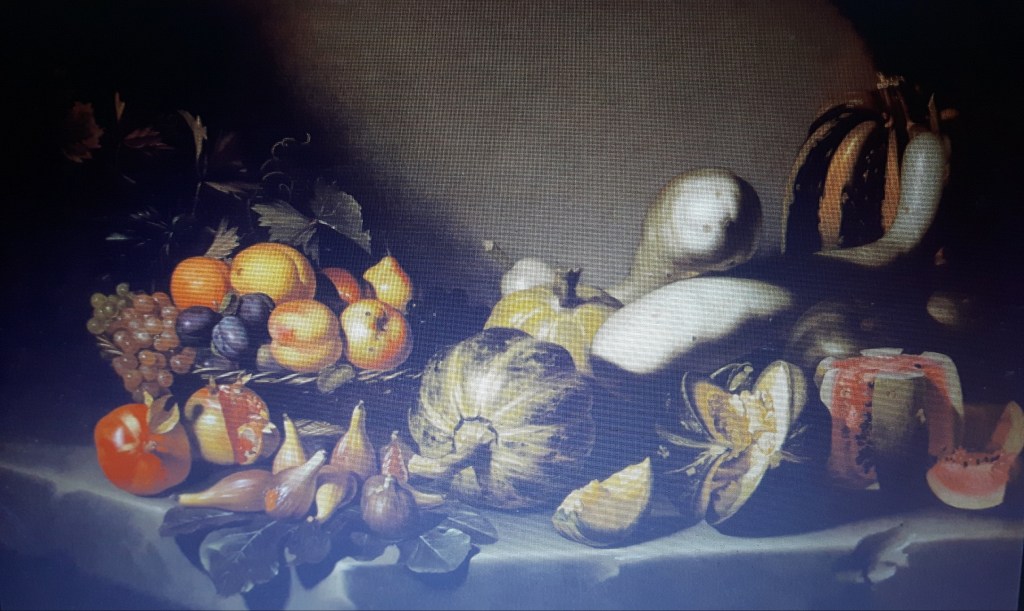
It is like Fortuna has just emptied her cornucopia leaving us in a complete awe. Traditionally Still life paintings always carried an allegorical message, religious symbols or sometimes objects linked with mortality for example skulls, hourglass, withered flowers.
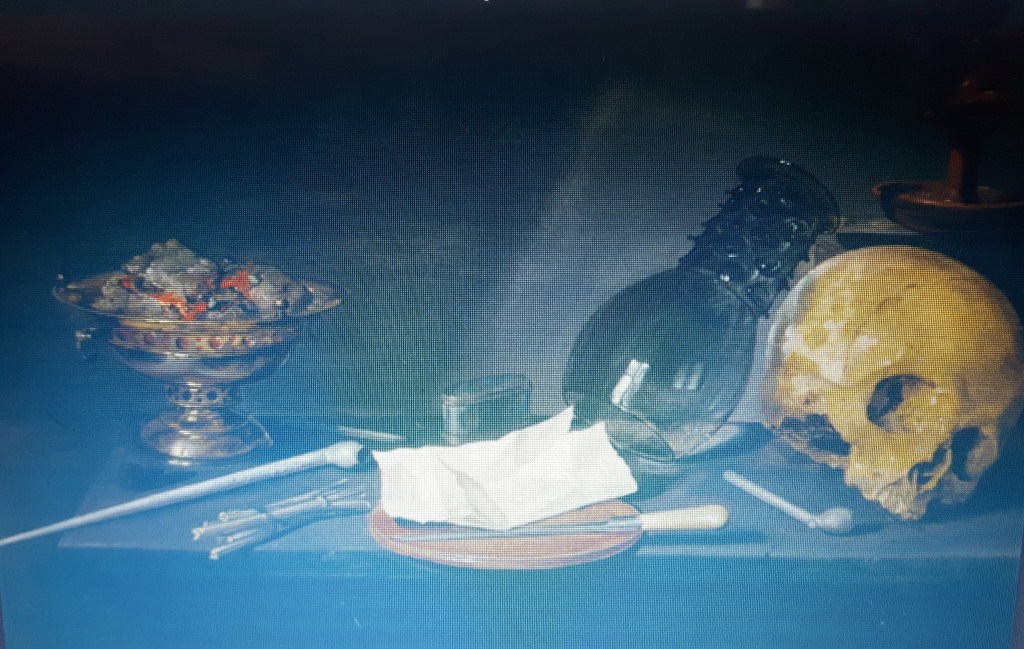
Willem Claeszoon Heda (1593/94-1680/82) was a Dutch painter who focused on still life later in his career. He was a master of rendering reflections on glass and metal textures and became one of the most famous still life painter of his time.
Later on Still Life moved from symbolic meanings towards more experimental ways. Paul Cezanne (1839-1906) was a Post-Impressionist painter who was a real rulebreaker here – not only changing the single-point perspective but reducing forms to their geometric essentials that in fact led to Cubism, an avantgarde art movement in the early 20th century. He focused on form and light and compared to the previous artists, his approach was less realistic than theirs.
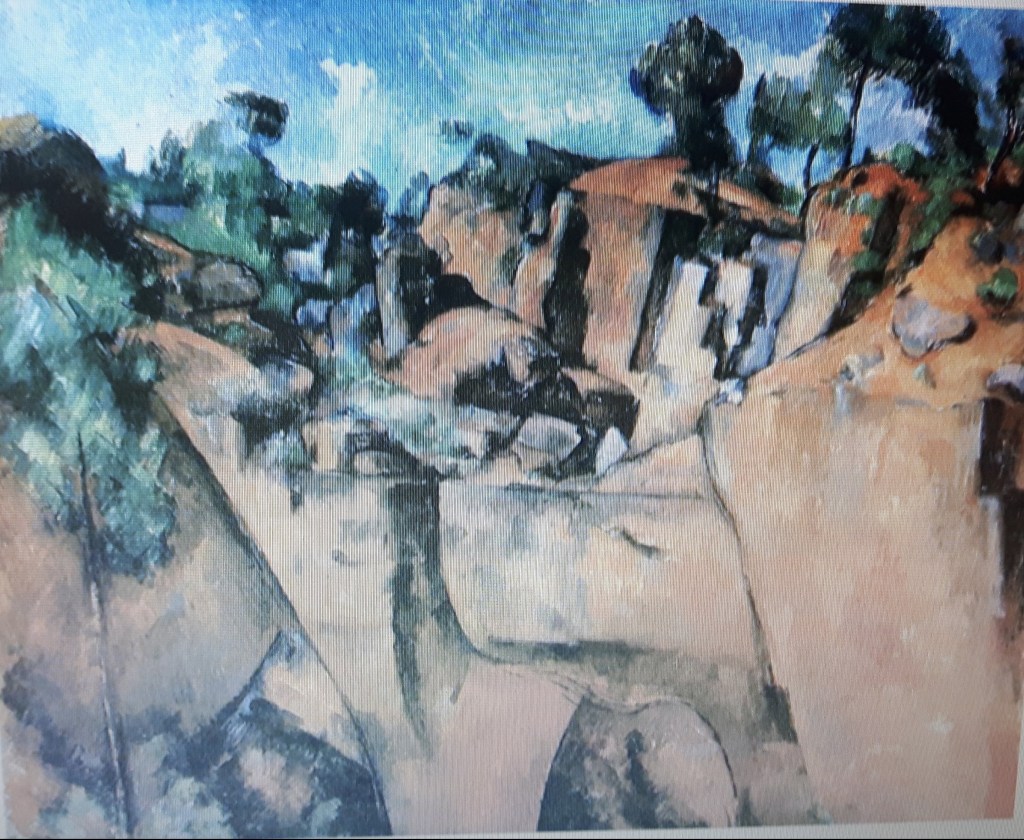
There are many brilliant artists found Cubism the best to express themselves but probably the two most remarkable were Georges Braque and Pablo Picasso. In the 20th Century Still life genre became more adventurous with vivid colours, the abstract arrangement, also an interesting approach of representing objects from different viewpoints simultaneously.
In contemporary art there are no boundaries anymore. As they say, anything and everything at the same time. While one is taking us back straight to the 17th Century with his precise virtuosity (“The love of strawberries” – Tim Gustard) somebody else is giving you the overwhelming desire to get lost in those mesmerizing colours of the alley…(“Melody of the night” – Leonid Afremov).

 LaraDraw